
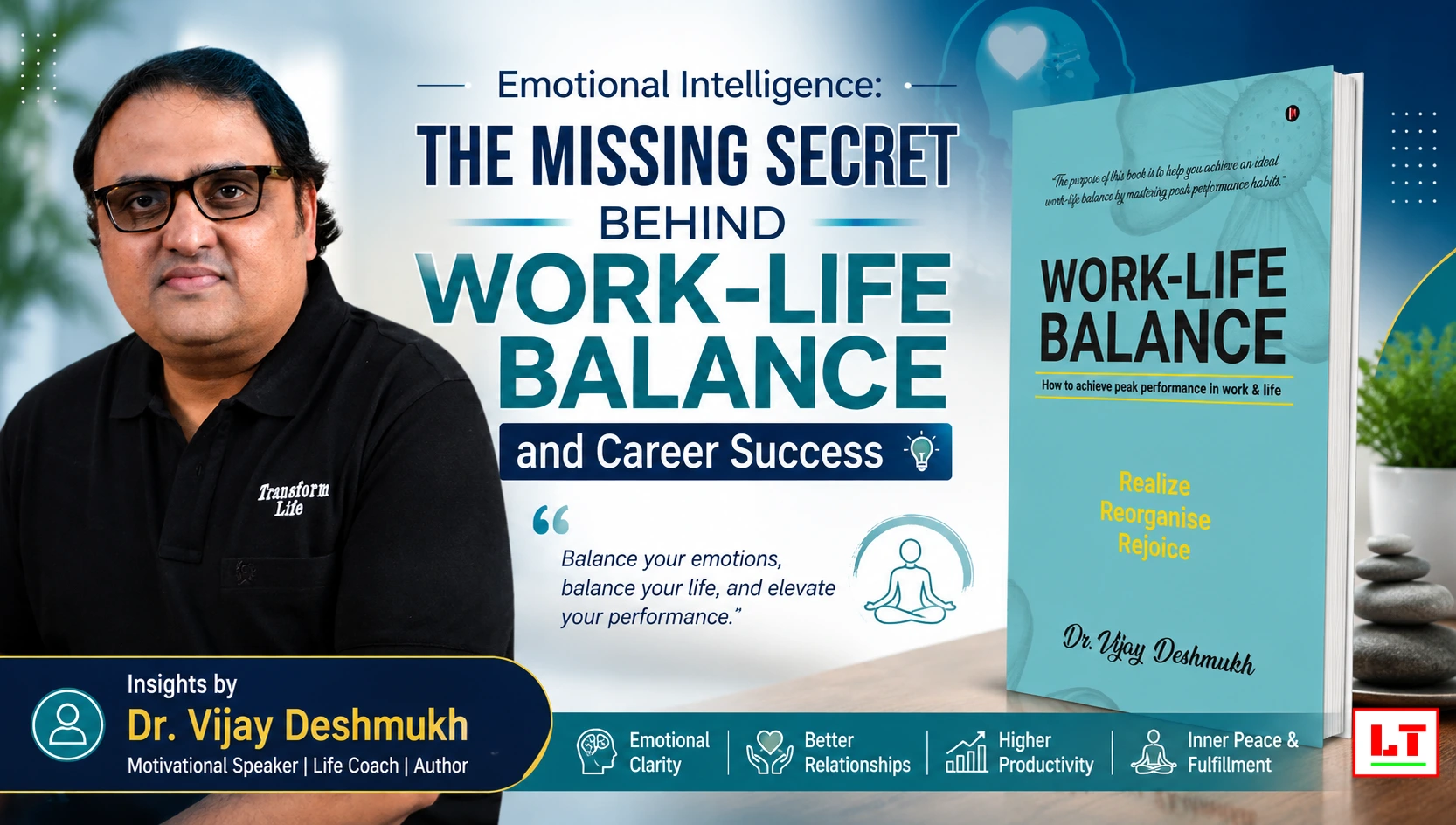
In today’s fast-paced professional world, success is often measured by promotions, salaries, business growth, and productivity. While these achievements are important, they represent only one side of a fulfilling life. Behind every successful professional lies another challenge that often receives far less attention—managing emotions effectively.
Many talented individuals possess excellent technical skills and strong academic qualifications, yet they struggle with workplace stress, communication, decision-making, and maintaining healthy relationships. The missing ingredient is often emotional intelligence (EQ).
Emotional intelligence is the ability to recognize, understand, and manage your own emotions while also understanding the emotions of others. It plays a significant role in improving workplace performance, reducing stress, strengthening relationships, and creating a healthier work-life balance.
These principles are explored thoughtfully in Work Life Balance: How to Achieve Peak Performance in Work and Life by Dr. Vijay Deshmukh. Rather than focusing only on productivity, the book encourages readers to develop emotional clarity, structured thinking, and balanced living to achieve sustainable success.
Understanding Emotional Intelligence
Emotional intelligence goes beyond simply controlling emotions. It involves becoming aware of how emotions influence our thoughts, actions, and decisions.
Professionals with high emotional intelligence are generally able to:
- Stay calm during challenging situations.
- Make thoughtful decisions under pressure.
- Communicate with empathy and clarity.
- Handle workplace conflicts professionally.
- Build stronger personal and professional relationships.
In contrast, unmanaged emotions often lead to impulsive decisions, unnecessary stress, misunderstandings, and reduced productivity. The good news is that emotional intelligence is not an inborn talent—it is a skill that can be developed through awareness, reflection, and consistent practice.
Why Emotional Intelligence Matters More Than IQ
For many years, intelligence was measured mainly through IQ. While technical knowledge and analytical ability remain important, organizations today increasingly value professionals who can collaborate effectively, lead teams, and manage stressful situations.
Emotional intelligence contributes to:
- Better leadership
- Improved teamwork
- Higher adaptability
- Stronger customer relationships
- Greater resilience during change
In today’s competitive workplace, technical expertise may secure a job, but emotional intelligence often determines long-term career growth.
The Connection Between Emotional Intelligence and Work-Life Balance
One of the biggest reasons professionals struggle with work-life balance is emotional overload. Many people carry workplace stress back home. Others remain emotionally attached to work even during personal time. As a result, family relationships, health, and mental well-being begin to suffer.
The philosophy presented in Work Life Balance explains that life should never revolve around only one dimension. Sustainable success comes from balancing professional responsibilities with personal growth, family relationships, health, and inner well-being.
Emotional intelligence helps individuals:
- Recognize stress before it becomes overwhelming.
- Respond thoughtfully instead of reacting impulsively.
- Set healthy boundaries between work and personal life.
- Maintain emotional stability during difficult situations.
This creates a healthier and more balanced lifestyle.
Self-Awareness: The Foundation of Personal Growth
Self-awareness is the first step toward emotional intelligence. It means understanding your strengths, weaknesses, habits, emotional triggers, and thought patterns. Many professionals focus on improving external skills but rarely spend time understanding themselves.
By becoming more self-aware, individuals can:
- Identify unhealthy habits.
- Recognize recurring stress patterns.
- Improve decision-making.
- Develop greater confidence.
Dr. Vijay Deshmukh emphasizes that meaningful transformation begins within. When individuals understand themselves better, they naturally improve the quality of their decisions and relationships.
Managing Emotions During Workplace Challenges
Every professional experiences setbacks, criticism, disagreements, and unexpected challenges. The difference between successful and struggling individuals often lies in how they respond.
Emotionally intelligent professionals:
- Listen before reacting.
- Stay calm under pressure.
- Focus on solutions rather than blame.
- Learn from failures.
- Adapt to change with confidence.
These qualities not only improve workplace performance but also reduce unnecessary emotional stress.
Empathy Creates Better Leaders
Leadership is not simply about giving instructions. Modern leaders are expected to understand their teams, communicate effectively, and inspire confidence.
Empathy enables leaders to:
- Understand different perspectives.
- Build trust.
- Resolve conflicts.
- Encourage collaboration.
- Improve team morale.
Professionals who develop empathy create healthier workplace environments where people feel respected and motivated.
Practical Habits That Build Emotional Intelligence
Developing emotional intelligence does not require dramatic changes. Small daily habits often produce the greatest results. Some practical practices include:
Practice Mindfulness
Taking a few quiet minutes each day helps improve awareness and emotional control.
Pause Before Reacting
Instead of responding immediately during stressful situations, pause briefly and think carefully.
Reflect Daily
Reviewing daily experiences helps identify emotional patterns and areas for improvement.
Listen More
Active listening strengthens communication and improves relationships.
Maintain Balance
Allocate time for work, family, health, learning, and relaxation instead of allowing one area to dominate life. These habits gradually strengthen emotional resilience.
Lessons from Work Life Balance
One of the most valuable aspects of the book is its practical approach. Rather than offering temporary motivation, it provides realistic principles that professionals can implement immediately.
Key lessons include:
- Success should never compromise happiness.
- Balance improves productivity.
- Emotional stability supports better decisions.
- Structured living reduces stress.
- Inner peace strengthens professional performance.
These timeless lessons remain highly relevant in today’s demanding work environment.
Who Should Read This Book?
The book is valuable for anyone seeking sustainable personal and professional growth. It is especially recommended for:
- Corporate professionals
- Managers and team leaders
- Entrepreneurs
- Working couples
- Students preparing for careers
- Individuals experiencing stress or burnout
Its simple language and practical guidance make it accessible to readers from all backgrounds.
Why This Book Deserves a Place on Your Reading List
Many self-help books provide motivation for a few days. Very few offer practical systems for creating lasting change.
Work Life Balance: How to Achieve Peak Performance in Work and Life stands out because it combines practical productivity, emotional intelligence, stress management, and personal transformation into one easy-to-understand guide.
Readers not only gain valuable insights but also practical habits that can improve everyday life.
📘 Recommended Book
If you’re looking to improve emotional intelligence, reduce stress, and achieve lasting success, this book is an excellent place to begin.
📖 Work Life Balance: How to Achieve Peak Performance in Work and Life
Conclusion
In a world where professional success often comes with increasing pressure, emotional intelligence has become one of the most valuable life skills. Technical knowledge may help people build careers, but emotional intelligence helps them build fulfilling lives.
By combining emotional awareness, balanced living, structured thinking, and practical wisdom, Work Life Balance provides readers with a roadmap toward sustainable success.
As Dr. Vijay Deshmukh reminds us through his work, true achievement is not measured only by professional accomplishments—it is measured by the ability to remain calm, balanced, productive, and happy while achieving them.
Frequently Asked Questions (FAQs)
What is emotional intelligence?
Emotional intelligence is the ability to understand, manage, and respond effectively to your own emotions while understanding the emotions of others.
How does emotional intelligence improve work-life balance?
It helps professionals manage stress, communicate better, set healthy boundaries, and maintain emotional stability in both personal and professional life.
Is Work Life Balance suitable for corporate professionals?
Yes. The book is particularly useful for professionals, managers, entrepreneurs, and anyone seeking to reduce stress while improving productivity and overall well-being.
What makes this book different from other self-help books?
It combines practical strategies for work-life balance, emotional intelligence, stress management, and personal transformation through relatable examples and actionable principles, making it relevant for everyday life.
Inspiring Authors.
Fresh Perspectives.
Discover remarkable books, inspiring author stories, exclusive literary insights and fresh ideas delivered directly to your inbox.
