

Soulmate at 50, Kashi’s Calling, and Missing Part of the Soul : Book Review
Summary
Swati Sarkar’s fiction explores a deeply personal truth: awakening does not always arrive early in life. Sometimes, it comes after loss, after routine, after silence. Across her novels Soulmate at 50, the Whisper from the Mountains, Kashi’s Calling: Emotions on the Banks of Time, and Missing Part of the Soul, she creates a literary space where faith, love, and self-realisation unfold gently, without force.
BUY THE BOOK!

BUY THE BOOK!

BUY THE BOOK!

Swati Sarkar is a fiction writer whose work blends emotional introspection with spiritual sensitivity. Her storytelling focuses on inner journeys shaped by faith, reflection, and personal growth, particularly through the experiences of women.
Her narratives are rooted in everyday emotional realities, exploring themes of loneliness, belief, rediscovered love, and late-life awakening. Rather than presenting spirituality as doctrine, Swati Sarkar allows it to emerge naturally through lived moments, quiet realizations, and personal surrender.
Through her writing, she invites readers to slow down, reflect, and reconnect with parts of themselves that may have been neglected but never lost.
At the heart of her work lies Soulmate at 50, a novel that challenges conventional narratives of love and age. Set against the quiet majesty of the mountains, the story follows a woman who discovers companionship, purpose, and emotional completion later in life. Rather than portraying love as dramatic or youthful, Swati Sarkar presents it as patient, intentional, and deeply spiritual. The narrative speaks to readers who believe that emotional fulfilment does not expire with age.
The story is introspective, grounded, and deeply human. Personal loss, unmet expectations, and unspoken loneliness are not treated as weaknesses, but as paths that eventually guide the protagonist toward clarity. The mountains serve as more than a backdrop; they mirror inner stillness, surrender, and awakening.
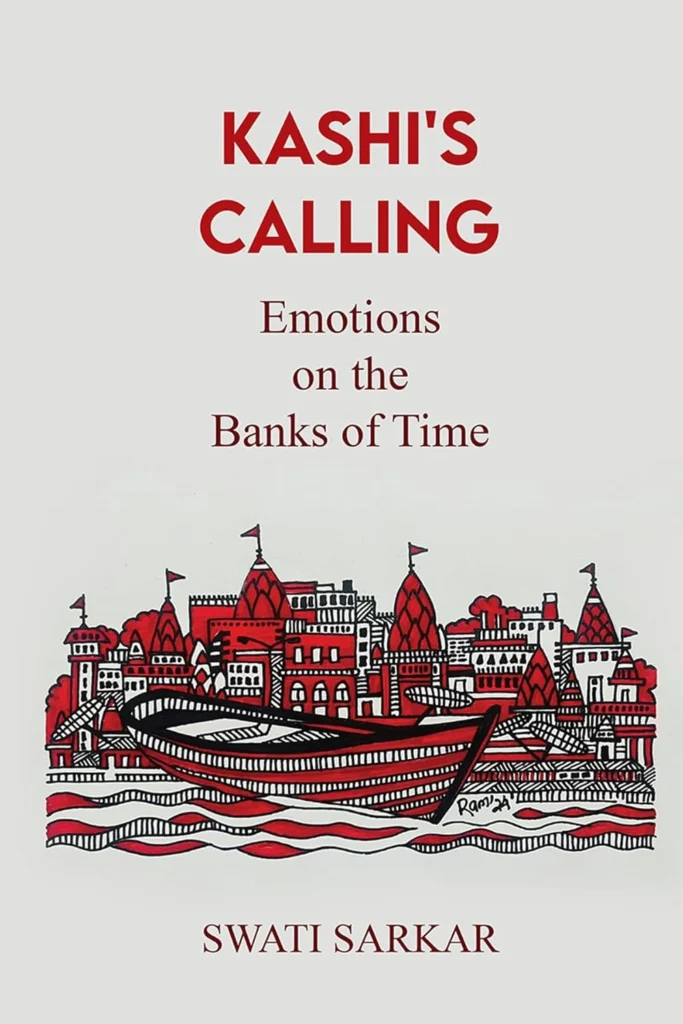
Kashi’s Calling shifts the setting but retains the same emotional depth. Set in the ancient city of Kashi, the novel follows a spiritual and emotional retreat rather than a dramatic escape. Here, faith is quiet, personal, and evolving. The city does not offer instant answers. Instead, it becomes a mirror reflecting unresolved grief, memory, and longing.
Swati Sarkar portrays spirituality not as a destination, but as a dialogue between the past and the present. Rituals, ghats, and time-worn streets become symbols of inner cleansing and acceptance. The novel resonates with readers drawn to spiritual reflection without rigidity, belief without instruction.
Missing Part of the Soul, though more understated, completes the emotional arc of Swati Sarkar’s literary voice. This book explores fragmented identities, suppressed emotions, and silent resilience, particularly among women navigating inner emptiness while maintaining external strength. It captures solitude and healing in their simplest, most relatable forms.
Together, these books reflect Swati Sarkar’s defining strength as a writer: she does not rush transformation. Her characters evolve slowly, honestly, and quietly. Spirituality in her fiction feels lived, not explained. Love is rediscovered, not chased. Healing happens through awareness rather than intervention.
What Readers Say About Swati Sarkar’s Books
Missing Part of the Soul felt like a warm conversation with life itself. The writing doesn’t shout; it whispers gently.
R. Sunita, Amazon India
I loved the portrayal of women at different stages of life. Their struggles felt real and deeply empathetic.
Swarnali Karar, Amazon India
This book feels like sitting by a window on a rainy day calm, reflective, and quietly emotional.
Akanksha Singh
Kashi’s Calling didn’t just call a city; it called my soul.
Srimaya Das
Swati Sarkar captures emotional chaos with empathy and grace. I felt seen as a reader.
Nomad
FAQs on Similar Niche Books
What genre do Swati Sarkar’s books belong to?
Her novels fall under fiction with strong spiritual, religious, and emotional themes.
Which book should new readers start with?
Soulmate at 50 is a strong starting point, especially for readers interested in emotional and spiritual growth later in life.
Are these books religious in nature?
They are spiritually reflective rather than doctrinal, focusing on inner faith and emotional healing.
Do the books focus on female protagonists?
Yes, many of her stories centre around women navigating identity, loss, and renewal.
What makes Swati Sarkar’s writing distinctive?
Her calm, introspective tone and focus on gradual inner transformation.
